

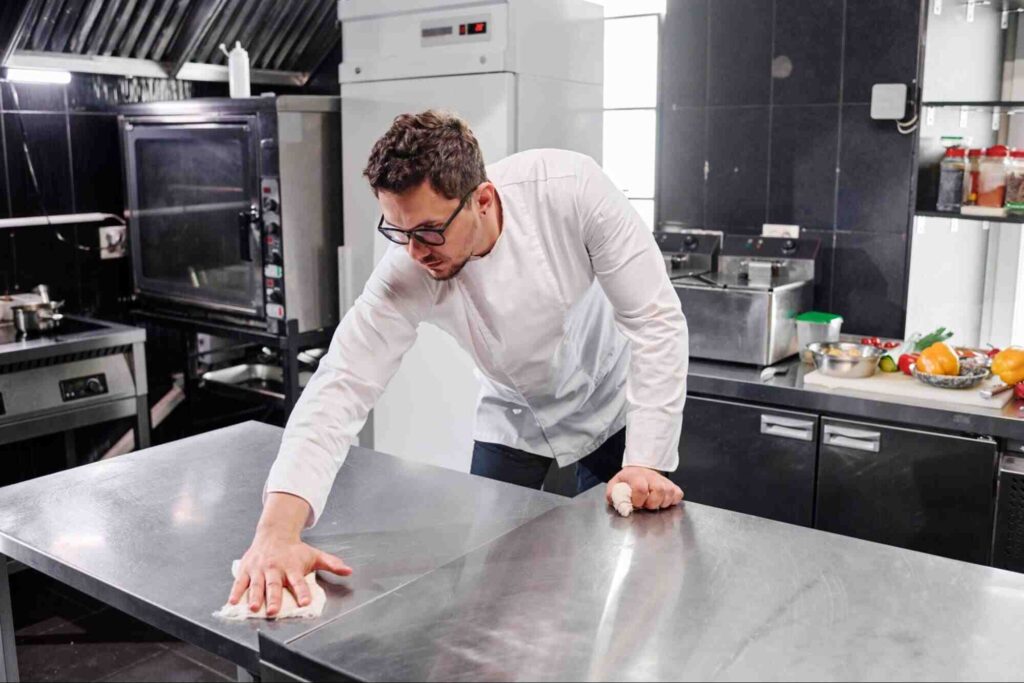
Restaurant cleanliness plays a critical role in protecting customers, employees, and business operations. From food preparation areas to dining spaces, maintaining proper sanitation standards helps reduce health risks, support regulatory compliance, and create a positive experience for guests. Effective restaurant cleaning requires more than routine tidying. It involves structured cleaning procedures, consistent sanitation practices, and attention to both back-of-house and customer-facing areas.
Restaurants that prioritize cleanliness are better positioned to maintain food safety standards, protect their reputation, and provide a welcoming environment for patrons. Restaurant owners looking for a more detailed breakdown of cleaning responsibilities and schedules often review How To Clean a Restaurant: Your Guide for additional best practices.
Why Is Daily Sanitation Essential in Restaurants?
Restaurants experience constant activity throughout the day. Food preparation, customer traffic, spills, and waste generation create ongoing cleaning demands that require immediate attention.
Daily sanitation helps prevent the spread of bacteria and foodborne contaminants. High-touch surfaces such as door handles, payment terminals, countertops, beverage stations, and washroom fixtures should be cleaned and disinfected regularly throughout operating hours.
Daily sanitation also supports overall facility cleanliness. Businesses looking to establish a structured cleaning schedule often reference How Often Should a Restaurant Kitchen Be Cleaned? to better understand the frequency of key cleaning tasks throughout restaurant operations.
What Cleaning Requirements Apply to Commercial Kitchens?
Commercial kitchens are among the most heavily regulated areas within any facility. Food preparation surfaces, cooking equipment, sinks, storage areas, and floors must be cleaned consistently to help meet health and safety requirements.
A comprehensive restaurant cleaning program should include:
● Sanitizing food preparation surfaces and equipment
● Cleaning floors and drains to remove food debris
● Disinfecting sinks and handwashing stations
● Removing grease buildup from cooking areas
● Cleaning storage shelves and refrigeration areas
● Managing waste and recycling to prevent contamination
Many restaurants incorporate professional Commercial Kitchen Cleaning Services to help maintain compliance, support food safety protocols, and reduce the burden on kitchen staff.
Why Is Grease Removal So Important?
Grease accumulation is one of the most common challenges in restaurant environments. Over time, grease can build up on cooking equipment, walls, ventilation systems, hoods, and flooring surfaces.
Excess grease creates several risks, including fire hazards, slip-and-fall incidents, and sanitation concerns. Regular grease removal helps maintain a safer work environment while reducing the likelihood of costly maintenance issues.
Restaurant operators looking to address one of the most common kitchen cleaning challenges can review How to Clean a Greasy Restaurant Kitchen Floor for additional guidance on preventing grease buildup and maintaining safer kitchen floors.
Professional cleaning teams use specialized products and techniques to remove grease safely and effectively. This helps ensure kitchen areas remain compliant with health and safety expectations while supporting efficient daily operations.
How Does Customer-Facing Cleanliness Impact Restaurant Success?
Customers often judge a restaurant’s overall quality based on cleanliness. Dining areas, entrances, washrooms, and waiting areas contribute significantly to first impressions and customer confidence.
Visible cleanliness demonstrates professionalism and attention to detail. Floors should be kept free of debris, tables sanitized between guests, and washrooms cleaned regularly throughout the day. Entranceways should also remain clean and well-maintained to create a positive first impression.
Restaurants that invest in routine Floor Care and Maintenance often find it easier to maintain safe, attractive dining environments while extending the lifespan of flooring materials.
Building a Restaurant Cleaning Program That Supports Compliance
Maintaining health and safety standards requires a structured approach to restaurant cleaning. Daily sanitation, kitchen compliance, grease removal, and customer-facing cleanliness all work together to create a safer environment for staff and guests.
A well-structured cleaning strategy helps restaurants meet operational requirements, maintain compliance, and create a positive experience for customers. Contact Regency Cleaning Services to develop a cleaning solution that aligns with your facility’s needs, schedule, and industry standards.