
A structured cleaning business checklist is essential for maintaining consistent quality control in any commercial environment. Whether used by an internal facility team or a small cleaning provider, a documented checklist ensures tasks are completed to standard, inspections are performed regularly, and service gaps are minimized. Without a clearly defined cleaning business checklist, quality becomes inconsistent. Missed tasks, unclear expectations, and lack of oversight can quickly lead to client dissatisfaction, safety concerns, and damage to long term reputation.
Why a Cleaning Business Checklist Matters for Quality Control
Consistency is the foundation of professional cleaning. A cleaning business checklist outlines what must be cleaned, how often it should be completed, and the expected level of performance. For internal teams, this creates accountability across shifts. For small cleaning providers, it ensures service delivery remains uniform across multiple sites. Quality control also protects health and safety. High touch surfaces, restrooms, shared workspaces, and flooring must meet sanitation standards to reduce contamination risks. A documented cleaning business checklist helps prevent shortcuts and reinforces proper procedures every time. Clear documentation also improves training. When tasks and standards are written down, new staff can quickly understand expectations and follow established processes.Core Areas Every Cleaning Business Checklist Should Include
A strong cleaning business checklist must address operational tasks, inspection procedures, and accountability measures. It should not focus only on daily cleaning but also on verification and continuous improvement. Every checklist should cover the following key areas:● Daily cleaning responsibilities for high traffic and high touch areas
● Weekly and monthly deep cleaning requirements
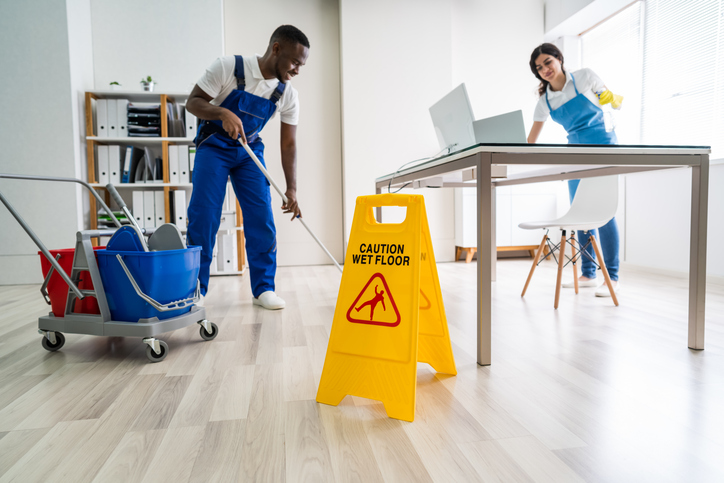
● Floor care standards, including vacuuming, mopping, and periodic machine cleaning
● Restroom sanitation procedures and supply checks
● Waste removal and recycling management
● Equipment maintenance and safe chemical handling protocols
● Inspection schedules and supervisor sign off procedures
● Client or facility feedback tracking
By documenting these categories, cleaning teams maintain operational consistency and measurable quality control.