
Many businesses assume cleaning and maintenance are the same thing, but they serve very different purposes. Understanding what commercial cleaning is helps clarify why professional cleaning services are essential for health, safety, and long-term facility performance. Commercial cleaning goes beyond surface-level upkeep to meet higher standards, stricter procedures, and specialized requirements.
What Is Commercial Cleaning?
Commercial cleaning refers to professional cleaning services designed specifically for business environments such as offices, medical facilities, retail stores, industrial sites, and multi-unit buildings. These services focus on sanitation, hygiene, and consistency rather than basic tidying. Commercial cleaning follows structured processes and is delivered by trained professionals using commercial-grade equipment and products.
How Commercial Cleaning Differs From Standard Maintenance
Standard maintenance typically involves general upkeep tasks such as light cleaning, restocking supplies, or basic repairs handled internally. Commercial cleaning, on the other hand, is purpose-built to address health risks, heavy usage, and regulatory expectations. It is proactive rather than reactive, aiming to prevent buildup, contamination, and long-term damage rather than simply responding to visible messes.
Safety Standards and Professional Procedures
One of the key differences lies in safety and compliance. Commercial cleaning providers follow documented procedures and industry standards to protect both people and property. This includes proper chemical handling, equipment use, and adherence to workplace safety regulations. Trained cleaning teams understand how to clean high-risk areas such as restrooms, break rooms, and high-touch surfaces without causing cross-contamination.
The Scope of Professional Commercial Cleaning Services
Commercial cleaning covers a broader and more detailed scope than standard maintenance. Services are customized based on the type of facility, traffic levels, and operational needs. Common elements of commercial cleaning include:
● Daily janitorial cleaning of offices and common areas
● Restroom sanitation and supply management
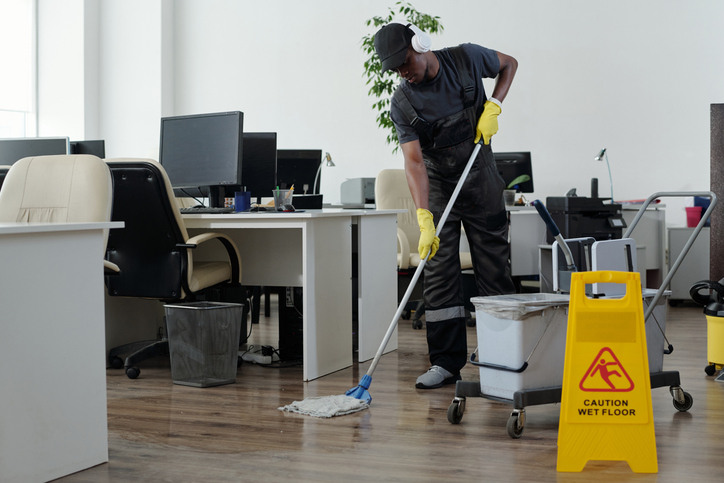
● Floor care, including vacuuming, mopping, and periodic deep cleaning
● Disinfection of high-touch surfaces and shared equipment
● Specialized cleaning for windows, carpets, and high-traffic zones
● This structured approach ensures consistent results across every visit.
Once businesses understand the scope of commercial cleaning, the next common question is cost. Our article on How Much Does a Commercial Cleaning Service Cost and What Factors Affect Pricing? breaks down pricing structures, service frequency, and the variables that influence overall cleaning budgets.
Why Expertise Matters in Commercial Cleaning
Commercial environments require a higher level of expertise due to their size, usage, and risk factors. Trained cleaning professionals know how to work efficiently without disrupting operations, and they understand which methods are appropriate for different surfaces and settings. This expertise helps protect flooring, fixtures, and equipment while maintaining a healthy environment for employees and visitors.
Choosing the right provider is just as important as understanding the service itself. If you’re evaluating options, our article on What Should You Look for When Deciding How to Choose a Commercial Cleaning Company? offers practical guidance on selecting a reliable cleaning partner.
So, what is commercial cleaning? It is a specialized service designed to protect health, safety, and facility performance in ways standard maintenance cannot. By following strict procedures, safety standards, and customized cleaning plans, commercial cleaning supports long-term building care and professional presentation.
For dependable commercial cleaning in Calgary, contact Regency Cleaning to create a customized plan that keeps your facility clean, safe, and well maintained.